


7 Surprising Facts About Virgin Islands Marine Life You Probably Didn’t Know


Discover the Hidden Wonders of Virgin Islands Marine Life
Think you know the reefs of the US Virgin Islands and British Virgin Islands? Think again! 🌊 Beneath the turquoise waters around St. John, St. Thomas, and the BVI, coral gardens are teeming with fascinating creatures. From tiny hide-and-seek masters to colorful reef residents with surprising behaviors, the Virgin Islands marine life offers endless surprises, if you take the time to slow down and really look.
Whether you’re a first-time snorkeler or a seasoned adventurer, there’s always something new to discover in these vibrant reefs.
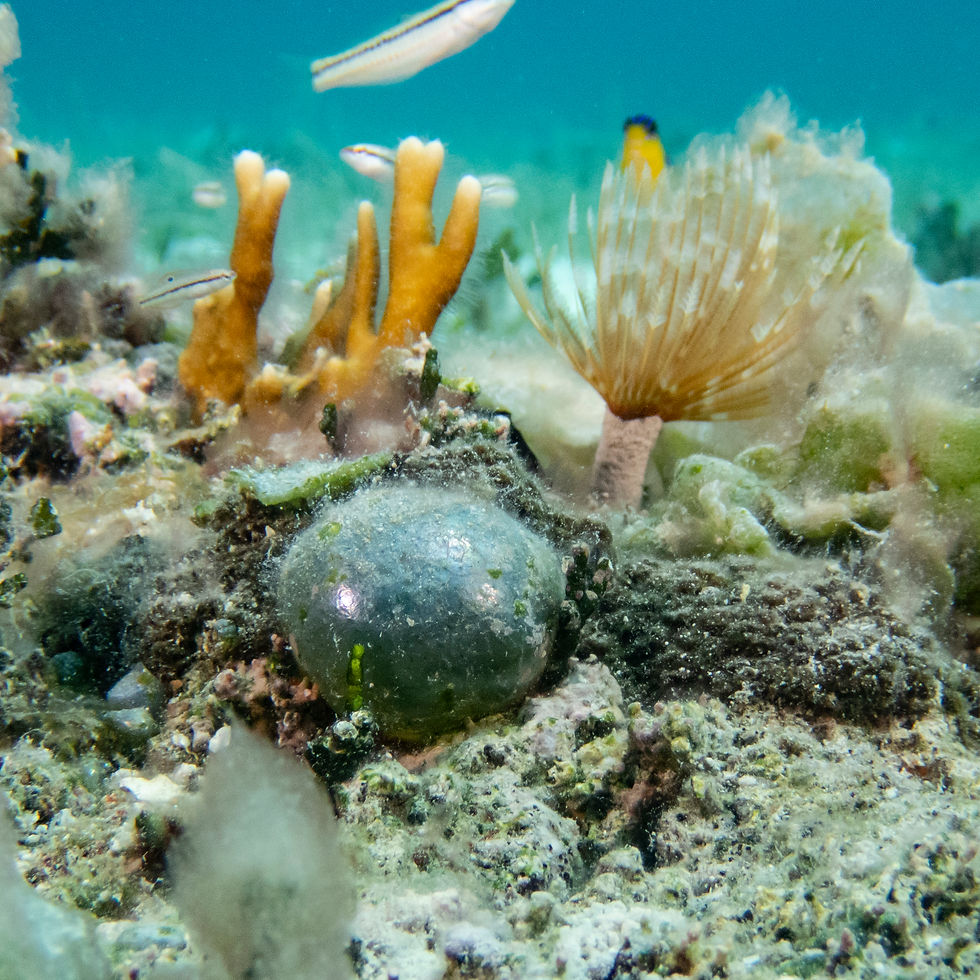
Fact 1: Sailor’s Eyeball Algae – The Reef’s Tiny Watcher
Peek closely into the cracks and crevices of the reef, and you might spot a tiny green “eyeball” staring back. This is Sailor’s Eyeball algae (Valonia ventricosa), a type of green macroalgae found in tropical reefs. Its bright green, bulbous form is a classic “slow down and look” moment.
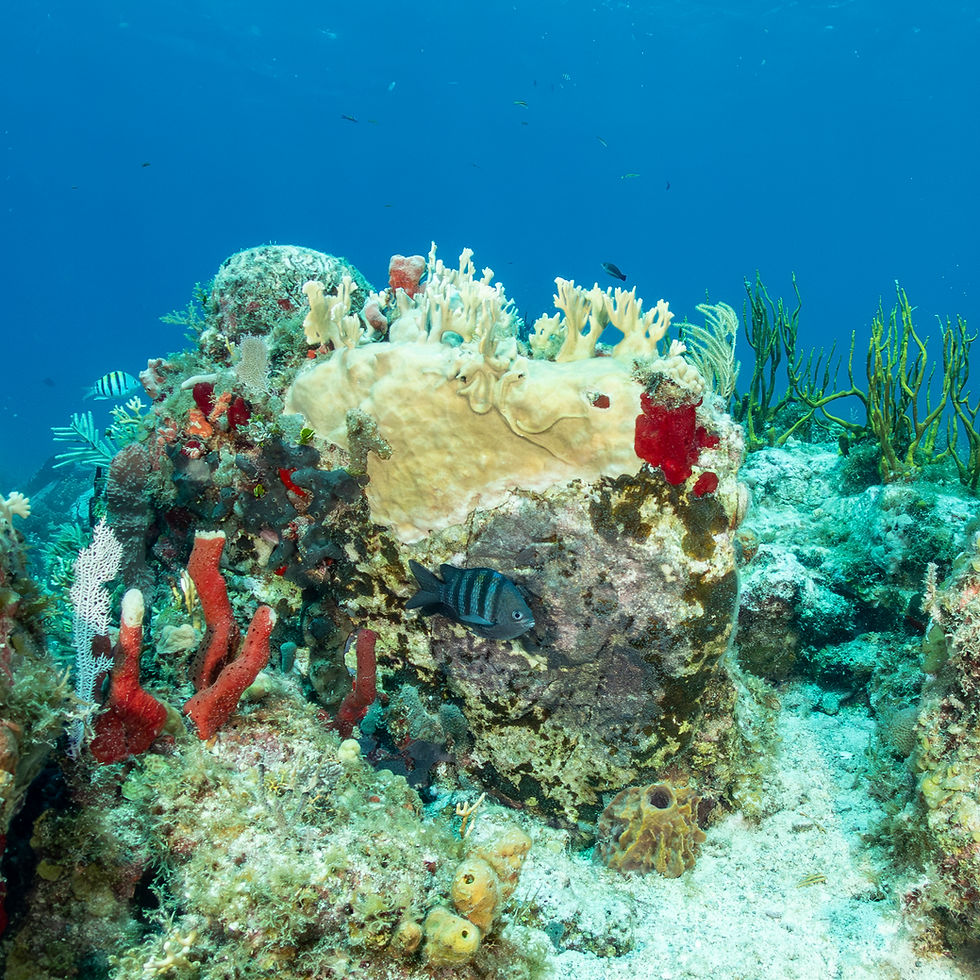
Fact 2: Male Sergeant Major Damselfish Guard Their Eggs
Sergeant Major damselfish are instantly recognizable by their bright yellow backs and bold black stripes. When a female lays her clutch of purple eggs on a flat rock surface, the male guards and fans the eggs, keeping them oxygenated and safe from predators. Watching a male Sergeant Major protect its nest is a colorful and fascinating display of parental care, and one of the many behaviors that make snorkeling in the Virgin Islands so memorable.
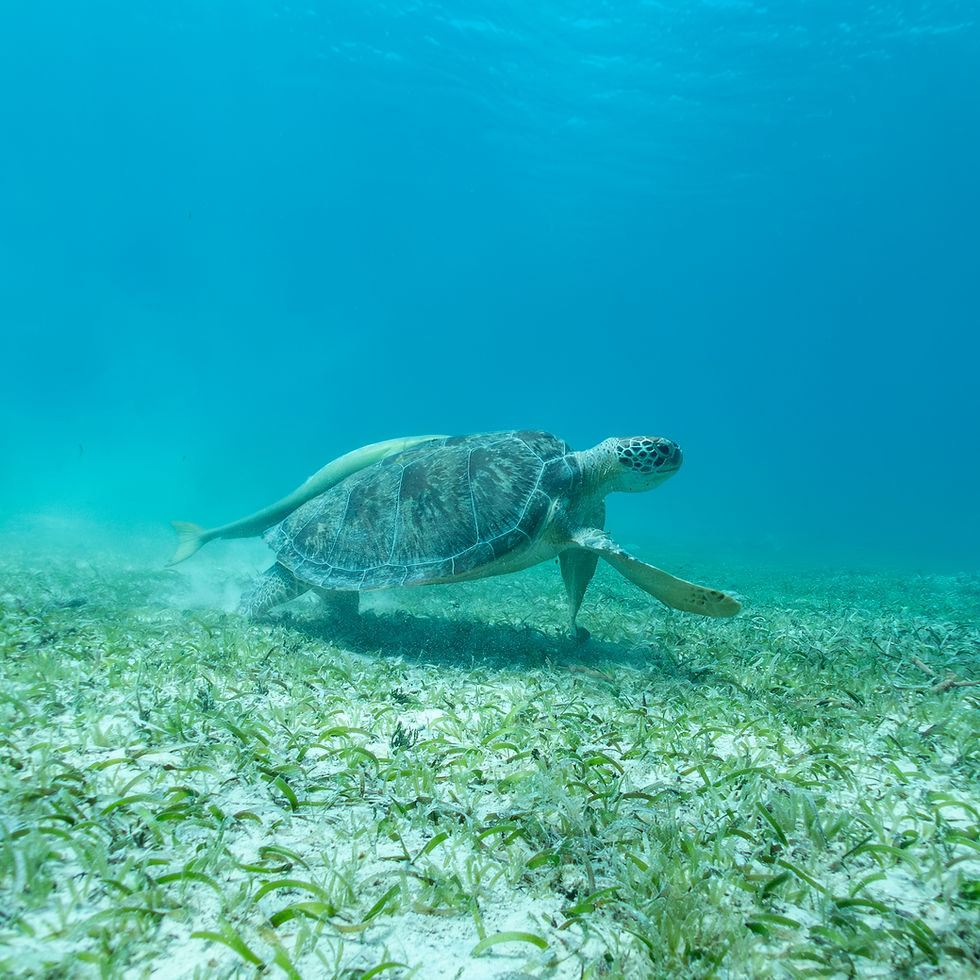
Fact 3: Sea Turtles Carry Remarkable Hitchhikers
A gliding sea turtle may appear serene, but look closer, sometimes a remora as long as 3 feet will be attached to its shell. These impressive fish don’t harm the turtle; they feed on leftover scraps or use the turtle for protection. It’s a striking example of the complex interactions that occur in reef ecosystems, showing that the Virgin Islands reefs are bustling with activity at every scale.
Fact 4: Coral Is a Busy Neighborhood
Coral reefs aren’t just pretty rocks, they are living cities. Tiny shrimp, crabs, algae, and small fish make their homes among the coral branches, each playing a role in the reef’s health. While snorkeling, take a moment to peer into the nooks and crannies. Observing these tiny residents reminds you that even small creatures are essential players in the ecosystem.

Fact 5: Moray Eels – The Reef’s Nighttime Hunters
Moray eels spend the day tucked into crevices, emerging at night to hunt. By keeping certain prey populations in check, they help maintain balance on the reef. Spotting one requires patience, but the thrill of seeing an eel peek from its hiding place is unforgettable.

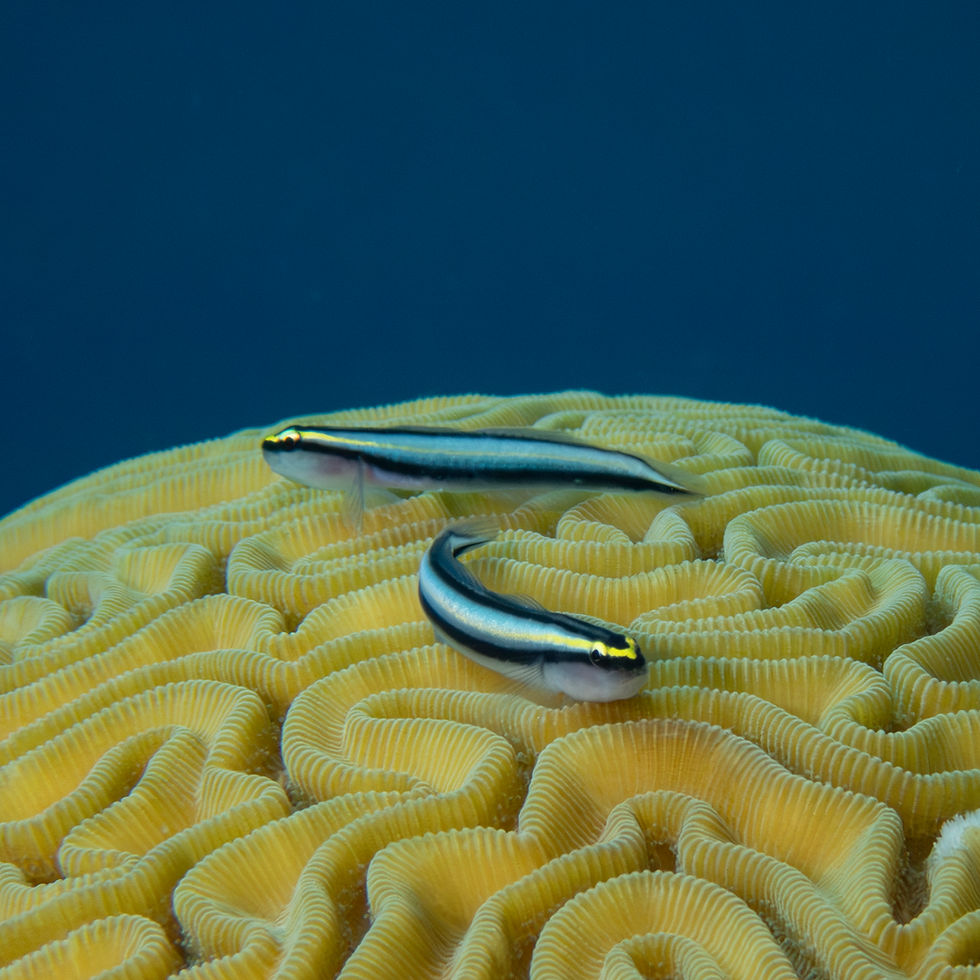
Fact 6: Sharknose Goby – The Reef’s Personal Care Assistant
The Sharknose Goby perches on coral, constantly surveying its surroundings. These gobies are natural cleaners, removing parasites and dead tissue from visiting fish. Watching them at work gives snorkelers a glimpse into the tiny, yet crucial, daily services that sustain reef life.
Fact 7: Queen Conch – The Reef’s Living Home
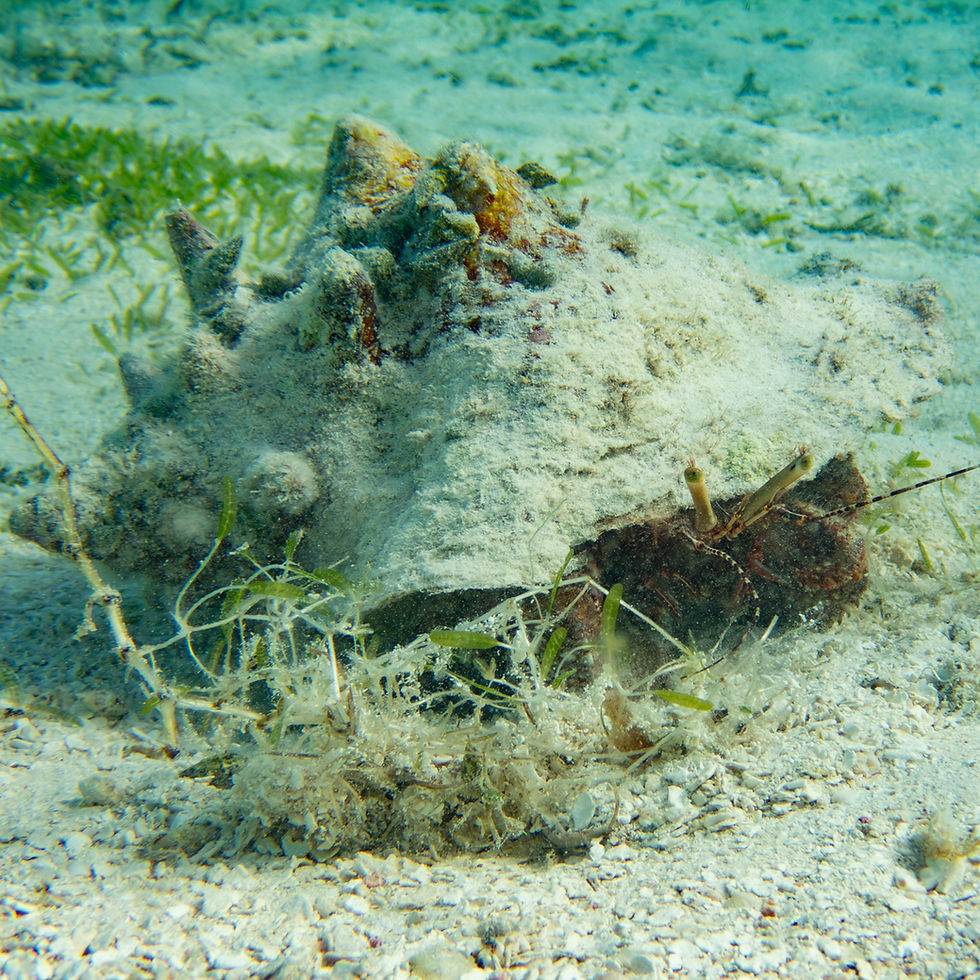
The Queen Conch is an iconic Caribbean species, known for its large spiral shell. Even after it dies, the shell often serves as a safe hiding place for small fish to lay and protect their eggs. Giant hermit crabs also rely exclusively on conch shells for shelter.
Removing a shell disrupts this vital habitat and can reduce the survival chances of young reef residents. Admire Queen Conch in its natural setting to support the health and diversity of the reef ecosystem.
Explore the Wonders of Virgin Islands Marine Life
Whether you’re snorkeling with turtles, observing damselfish parents, or watching Sharknose Gobies at work, every moment on a Caribbean reef is a chance to discover something new. The reefs of the Virgin Islands are vibrant, dynamic, and full of surprises – perfect for curious snorkelers and adventurers alike.
Book your next adventure with Blue Water Charters and experience the Virgin Islands’ underwater world like never before. From hidden reef residents to iconic species like Queen Conch and Sergeant Major damselfish, your next snorkeling trip could reveal a side of the Virgin Islands most people never see.

📸 All photos courtesy of Capt. Sara Richter 📸


Comments