


Reef-Safe Sunscreen in the Virgin Islands: Avoid These Banned Ingredients


Planning a trip to the beautiful waters of the U.S. Virgin Islands? Before you toss sunscreen into your beach bag, there’s something many visitors don’t realize: not every sunscreen is safe for the reefs you came here to enjoy. Choosing the right reef-safe sunscreen in the Virgin Islands helps protect coral reefs, sea turtles, and the crystal-clear Caribbean water that makes these islands so unforgettable.
The good news? You can still protect your skin without ending up covered in thick, chalky white sunscreen. Whether you’re snorkeling vibrant reefs, relaxing on white sand beaches, or heading out for a day on the water, here’s what you should know before buying sunscreen for your trip.
What Sunscreen Is Allowed in the Virgin Islands?
The U.S. Virgin Islands has taken major steps to help protect coral reefs by banning several sunscreen chemicals known to harm marine ecosystems.
Sunscreen Ingredients Banned in the USVI
Avoid sunscreens containing:
Oxybenzone
Octinoxate
Octocrylene
These chemicals have been linked to coral bleaching and reef damage, even in very small amounts. Since coral reefs are essential to marine life — and to the incredible snorkeling experiences visitors come here for — choosing a reef-friendly sunscreen matters more than many people realize.
When shopping for sunscreen for your Caribbean vacation, check the active ingredients carefully instead of relying only on labels that say “reef-safe.” Not all marketing claims are created equal.
If all of this sounds confusing, don’t stress too much — shops on St. John only carry reef-safe sunscreen, so it’s easy to find options once you arrive.
Why Reef-Safe Sunscreen in the Virgin Islands Matters More Than You Think
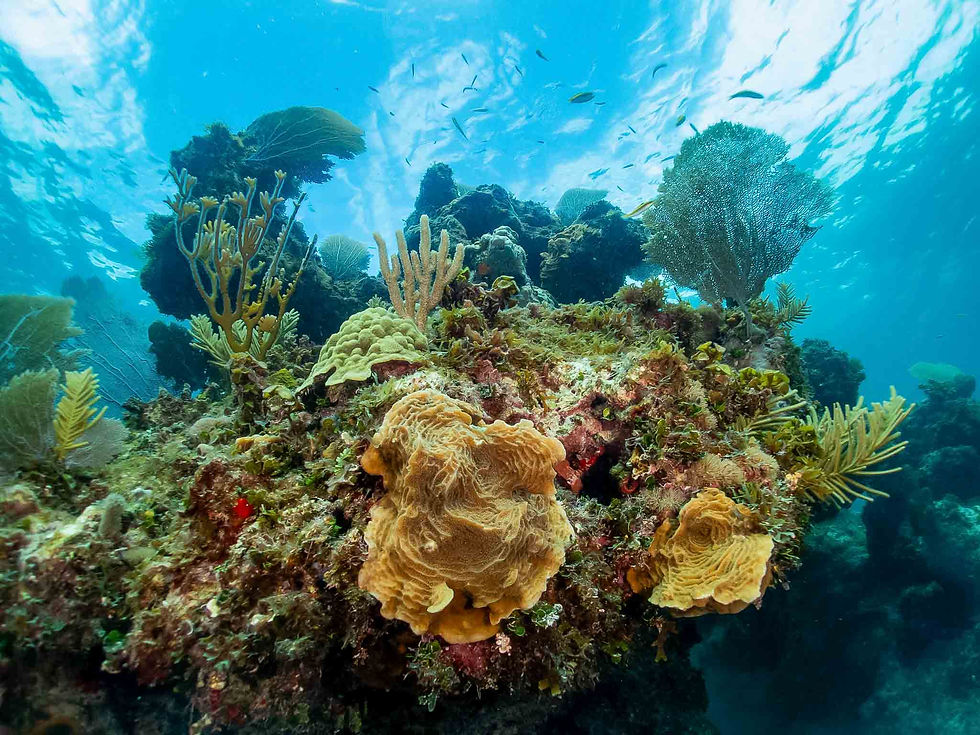
The reefs surrounding St. Thomas and St. John aren’t just pretty to look at — they protect coastlines, support marine ecosystems, and create the vibrant underwater world visitors travel here to experience.
Healthy reefs mean:
Better snorkeling
More colorful fish
Clearer water
Stronger marine ecosystems
Healthier coastal habitats throughout the Virgin Islands
When guests jump off the boat to snorkel at coral reefs or spot sea turtles cruising through Caribbean waters, they’re experiencing an ecosystem that depends on healthy oceans and responsible tourism choices.
Using reef-safe sunscreen in the Virgin Islands is one of the easiest ways travelers can help preserve these waters for future generations.

Mineral vs. Chemical Sunscreen: What’s the Difference?
Not all sunscreens work the same way.
Mineral-Based Sunscreen
Mineral sunscreen uses ingredients like:
Zinc oxide
Titanium dioxide
These sit on top of the skin and physically block UV rays. Non-nano mineral formulas are generally considered the safest option for coral reefs and marine life.
Mineral sunscreen is usually the best choice for:
Snorkeling
Boat days
Swimming
Sensitive skin
Eco-conscious travelers
Chemical-Based Sunscreen
Chemical sunscreen absorbs into the skin and converts UV rays into heat. These formulas often feel lighter and rub in more easily, but many contain reef-harming ingredients.
Some chemical sunscreens may still meet reef-safe standards, but it’s important to read ingredient labels carefully.
“But Reef-Safe Sunscreen Makes Me Look Like a Ghost…”
Let’s be honest — this is the number one complaint people have about mineral sunscreen.
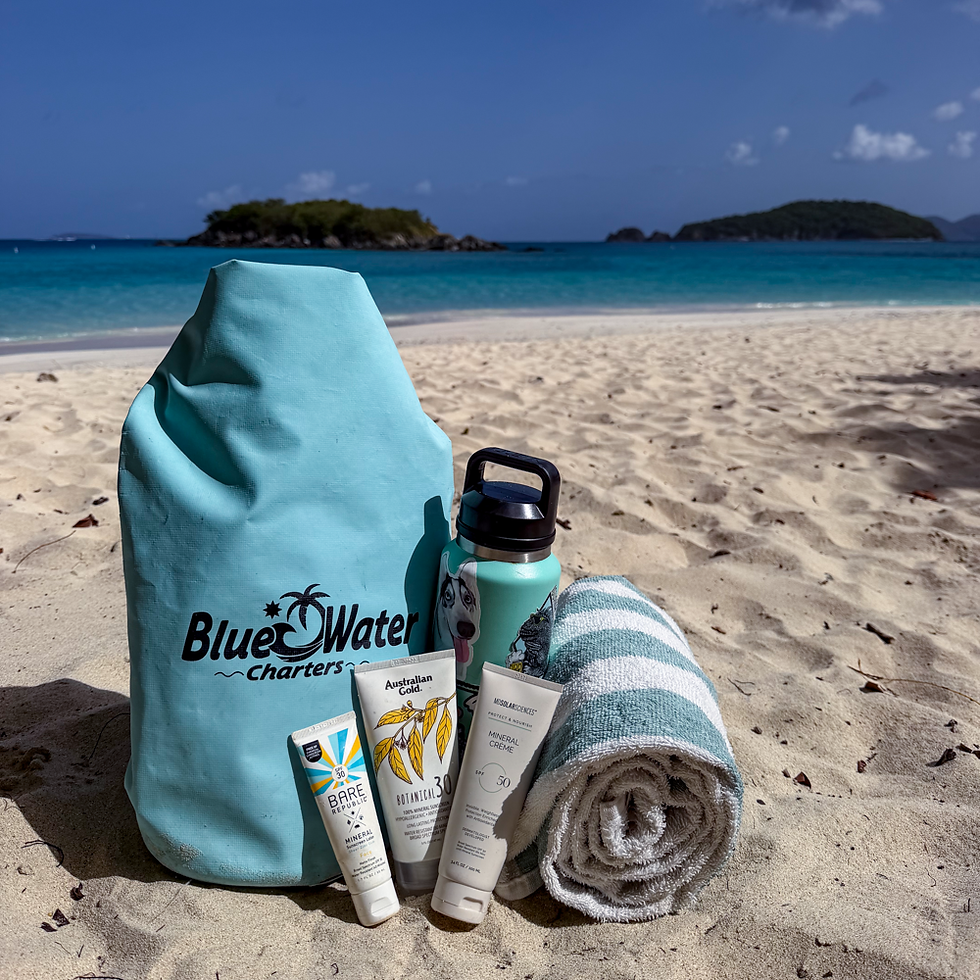
Nobody wants to spend their vacation looking pale, sticky, or covered in thick white paste. Fortunately, reef-safe sunscreen has improved a lot in recent years.
Tips for Finding Reef-Safe Sunscreen That Rubs In Better
Look for “Sheer Zinc” Formulas
These tend to blend into skin much more smoothly than older mineral sunscreens.
Choose Lotion Over Thick Paste
Creamy lotion formulas usually apply more evenly than heavy sticks.
Try Tinted Mineral Sunscreen
Tinted formulas help reduce the white cast and often feel lighter on the skin.
Apply Thin Layers
Putting on too much at once is what usually creates that heavy white look.
Give It Time to Dry
Applying sunscreen a few minutes before swimming helps it spread more evenly and stay on better in the water.
Don’t Forget Your Face
Many brands now make separate reef-safe facial sunscreens that feel surprisingly lightweight.
A good reef-safe sunscreen today should protect your skin without making you feel greasy during a hot Caribbean boat day.
Protect the Reefs While Enjoying the Best of the Virgin Islands
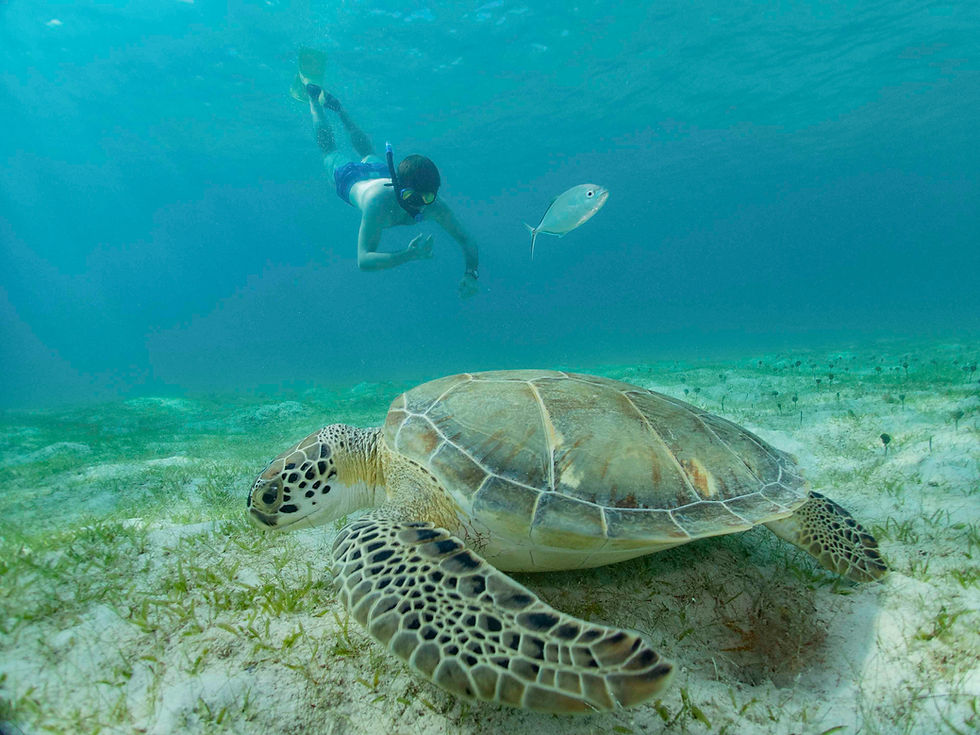
One of the best parts of visiting the Virgin Islands is experiencing the water — snorkeling coral reefs, spotting sea turtles, and swimming in the unreal turquoise bays that make this place famous.
Choosing reef-safe sunscreen helps protect the exact ecosystems you came here to enjoy.
At Blue Water Charters, we spend every day exploring the incredible waters around St. John, and we believe keeping these reefs healthy is worth the extra effort.
Protect the reefs, soak up the sunshine, and book your private Virgin Islands boat charter today.

📸 All photos courtesy of Goolishian Underwater Photography and Sara and Lee Richter 📸


Comments