


The Real Dangers of the Virgin Islands Are Surprisingly Preventable


Paradise Has Dangers… But Probably Not the Ones You’re Thinking Of
When people picture the Virgin Islands, they imagine turquoise water, white sand beaches, painkillers in hand, and snorkeling with sea turtles. And honestly? They’re right.
What they don’t picture are the things most likely to ruin a vacation: a brutal sunburn, one too many “island pours,” stepping on a sea urchin, or spending your first day driving in St. John repeatedly saying, ‘Left side, left side, left side…’ to yourself.
The good news? The real dangers of the Virgin Islands are surprisingly preventable.
The Virgin Islands are incredibly safe, welcoming, and family-friendly. Most mishaps happen because visitors underestimate the Caribbean sun, ocean conditions, or island driving culture. A little preparation goes a long way toward keeping your vacation fun instead of painful.
Here’s what locals and boat captains wish more visitors knew before exploring the USVI and BVI.
The #1 Danger in the Virgin Islands: The Sun
The Caribbean sun is no joke.
Even people who “never burn” at home regularly get absolutely roasted here, especially on boats, where the sun reflects off the water from every direction. Add in trade winds keeping you cool, and many visitors don’t realize they’re burning until it’s way too late.
Cloudy day? Still counts.
Base tan? Doesn’t matter.
One quick snorkel? Congratulations, your back is now medium rare.

How to Avoid the Famous Vacation Lobster Look
Reapply More Than You Think You Need To
Especially after swimming, snorkeling, or sweating.
Use Reef-Safe Sunscreen
Not only is it better for your skin, it also helps protect the coral reefs and marine life that make the Virgin Islands so special.
Don’t Forget These Sneaky Burn Zones
Tops of feet
Back of legs
Ears
Scalp part lines
Back of neck
Hydrate Constantly.
Sun + saltwater + alcohol = dehydration speed run.
If you think you’ve had enough water, have another glass anyway.
Beware of the “Island Pour”
There’s a reason vacation cocktails taste so good down here.
The rum pours in the Caribbean are often… generous.
Very generous.
That frozen painkiller or bushwacker may contain enough rum to temporarily convince you that buying a catamaran and moving to the islands is a financially responsible decision.
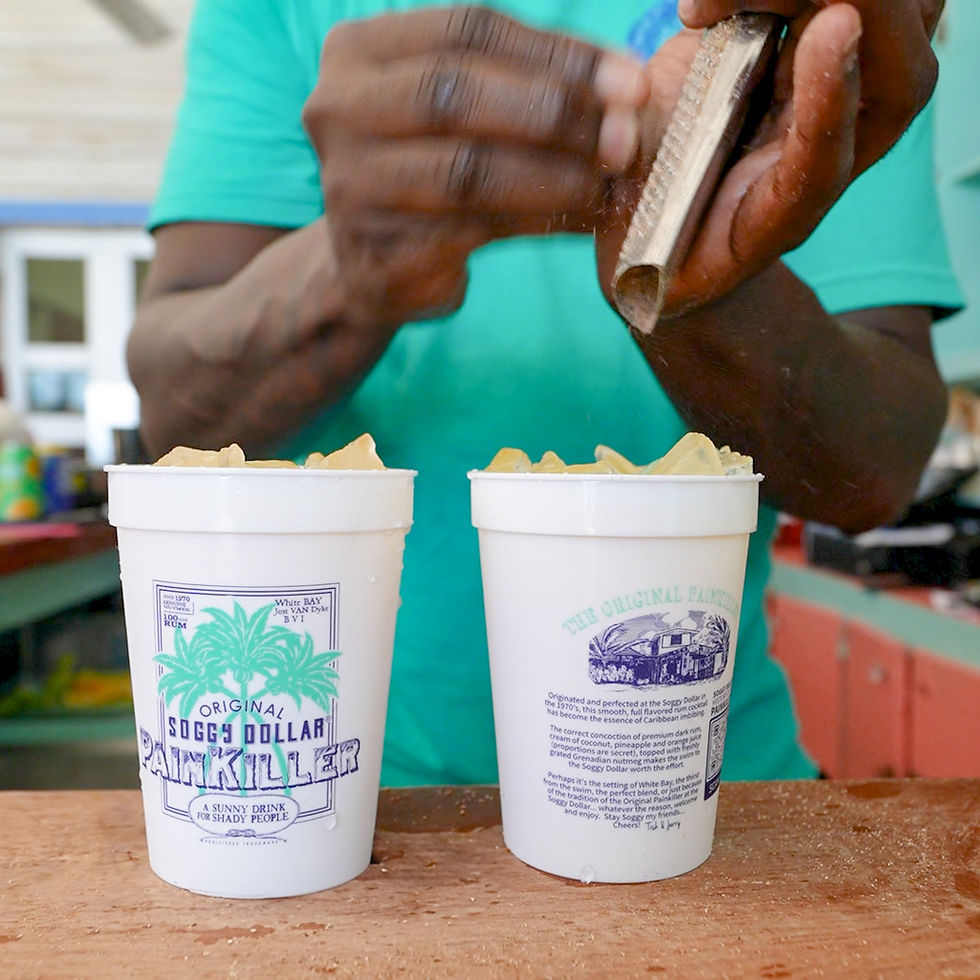
Why Island Drinks Hit Harder
The combination of:
stronger pours
heat
sun exposure
dehydration
being on a boat all day
…can sneak up on people fast.

A Few Smart Boat-Day Tips
Pace Yourself. Vacation is a marathon, not a sprint.
Drink Water Between Cocktails. Your future self will thank you.
Beer and Seltzers Are Sometimes the Safer Move. Especially during full-day charters in the sun.
Listen to Your Captain. Experienced captains can usually spot “I’m totally fine” about 30 minutes before someone earns a trip to the VIP seating area: Vomiting-In-Progress. 🤢
Sea Urchins Hurt More Than Your Pride
If there’s one snorkeling rule worth remembering, it’s this:
If It’s Not Sand, Don’t Stand
The reefs and rocky shorelines around the Virgin Islands are beautiful, but they’re also home to sea urchins, coral, and other sharp surprises.
Sea urchins are basically underwater landmines covered in needles.
And coral? It’s alive. Standing on it damages the reef and usually slices your feet up in the process.

The Best Way to Avoid an Urchin Encounter
Float Instead of Standing
Entering and exiting the water is usually the one time your feet do need to touch the bottom, but as soon as it’s deep enough to float, get those feet off the seafloor.
The less time spent standing around rocks, coral, or seagrass, the lower your chances of meeting a sea urchin the hard way.
Practice Good Buoyancy While Snorkeling
The less you touch the reef, the safer both you and the reef will be.
Other Marine Life Tips
Most marine life in the Virgin Islands wants absolutely nothing to do with you.
That said:
Don’t touch coral
Don’t chase turtles
Don’t grab jellyfish
Admire lionfish from a distance
Basically: look, don’t touch.
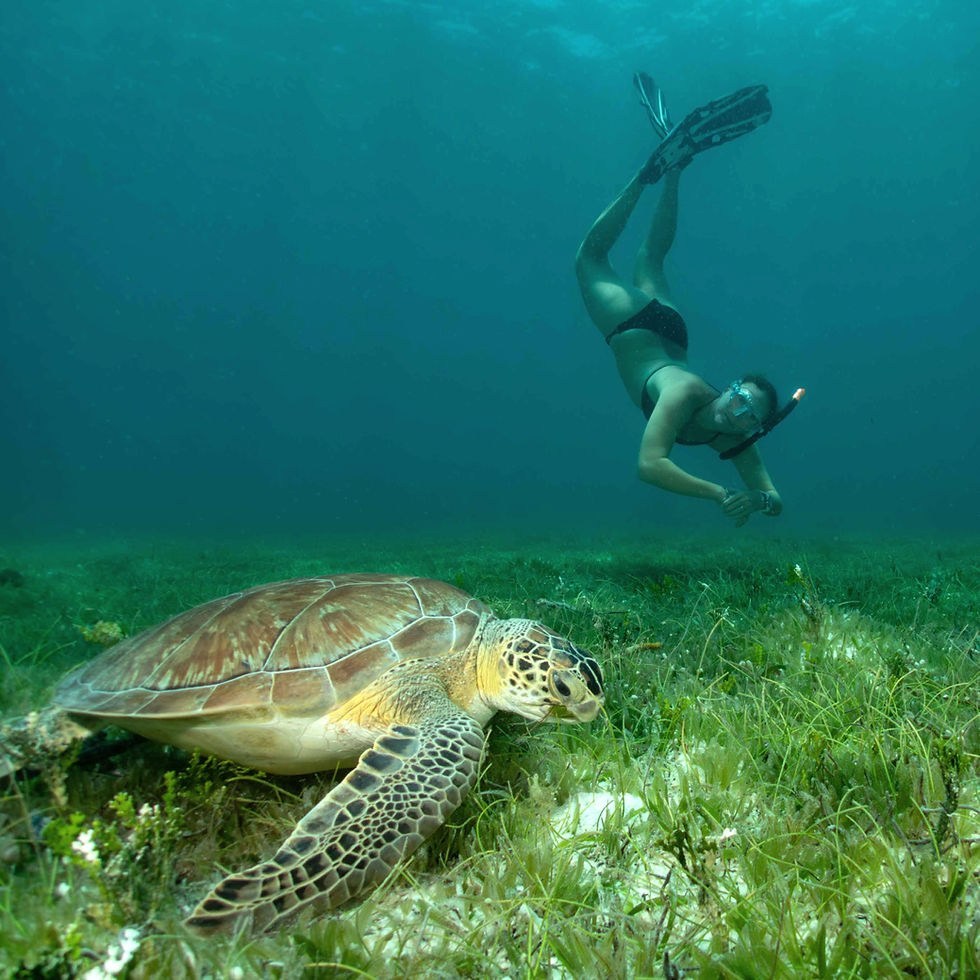
Understanding Currents Before You Snorkel
One of the real dangers of the Virgin Islands that visitors rarely think about is current.
The good news? Most snorkeling spots around St. John and St. Thomas are relatively calm, especially compared to many other Caribbean destinations.
But currents can still happen, particularly on windy days or around points and channels.

The 20-Second Trick Smart Snorkelers Use
Before you start snorkeling, spend the first 10–20 seconds just floating.
Seriously. Don’t swim immediately.
This helps you:
feel whether there’s current
figure out which direction it’s moving
avoid drifting far from your starting point
Always Swim Into the Current First
When your legs are fresh and you have full energy, swim against the current first.
That way, when you turn around, the current helps bring you back to where you started instead of fighting you the whole way home.
It’s one of the simplest snorkeling tips that makes a huge difference.
What To Do If You Get Caught in a Rip Current
First: stay calm. The ocean is stronger than all of us, and panicking wastes energy.
Don’t Swim Straight Toward Shore. That’s how people exhaust themselves.
Swim Across the Current. Move parallel to shore until you’re out of the strongest flow, then angle back in.
Float if You Need To. Conserving energy is smarter than fighting the ocean.
And of course, always listen to your captain or guide about conditions before getting in the water.
Driving in the Virgin Islands Is… an Adventure
The roads in the Virgin Islands are scenic, steep, narrow, and occasionally inhabited by donkeys.
We drive on the left side of the road here, which takes visitors about:
3 minutes to understand
3 days to feel comfortable with
and approximately 14 near-heart-attacks to fully master
Things Visitors Should Know Before Driving
The Speed Limit on St. John Is Usually 20 MPH. And honestly, that’s plenty.
Watch Blind Corners Carefully. Especially on steep hills.
If You Hear a Deep Honk, Stop. That usually means a large vehicle, like a safari taxi or water truck, is coming around a blind curve and needs extra room.
Don’t Let the Views Distract You. Yes, the scenery is stunning. No, this is not the time for sightseeing.
Expect Surprise Animals. Donkeys, goats, chickens, and the occasional iguana may all decide the road belongs to them. To be fair, they were probably here first.

Other Surprisingly Common Vacation Mistakes
Dehydration
This one sneaks up on people constantly.
Flip-Flops on Wet Surfaces
A surprisingly effective way to discover gravity.
Dropping Phones Into the Ocean
The Caribbean has claimed many sacrifices to Poseidon.
Booking Too Short of a Trip
Possibly the most tragic mistake of all.
The Safest (and Most Relaxing) Way To Explore the Virgin Islands
One of the easiest ways to avoid many of these vacation mishaps is to get out on the water with experienced locals.
A private boat charter lets you relax while someone else handles:
navigation
weather conditions
snorkeling guidance
currents
docking
customs (if headed to the British Virgin Islands)
and finding the best hidden spots
At Blue Water Charters, we help guests experience the Virgin Islands safely while still having an unforgettable adventure. Whether you want calm snorkeling beaches, floating taco bars, hidden coves, sea turtles, or iconic beach bars, having a knowledgeable captain makes all the difference.
Ready to plan your own adventure? Book a private boat charter and experience the Virgin Islands the best way possible — from the water.
Final Thoughts on the Real Dangers of the Virgin Islands
Despite the dramatic title, the Virgin Islands are genuinely one of the safest and most incredible vacation destinations in the Caribbean.
The real dangers of the Virgin Islands usually come down to simple vacation mistakes:
too much sun
too much rum
not respecting the ocean
or forgetting that we drive on the left
Come prepared, listen to locals, respect the water, and you’ll quickly understand why so many visitors fall in love with island life.
Just don’t blame us if you start browsing real estate listings before your flight home.

📸 All photos courtesy of Goolishian Underwater Photography and Sara and Lee Richter 📸


Comments